Google Ads Expands Generative AI Ad Creation to More Advertisers
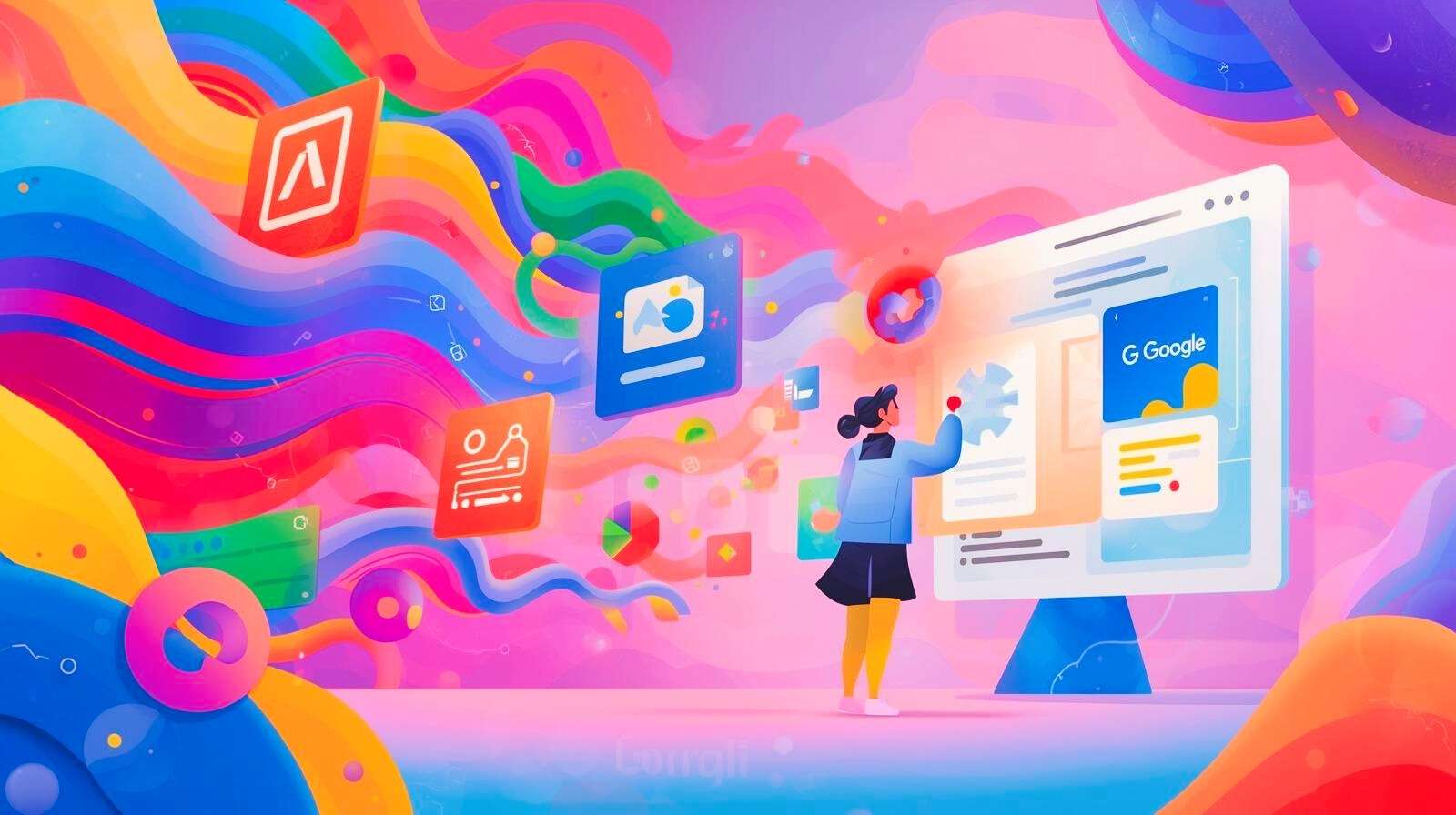
Google Ads Expands Generative AI Ad Creation to More Advertisers refers to Google’s move to make automated, machine-assisted ad copy and creative tools available to a wider range of businesses through its advertising platform.
What it means
This update signals a major change in how paid advertising campaigns are created and managed. Instead of writing every headline, description, or variation by hand, advertisers can now rely on intelligent systems to generate ad content automatically. These systems analyze landing pages, user intent, and historical performance data to suggest relevant ad messaging.
The shift reduces manual effort while keeping ads aligned with search behavior and platform policies. It also reflects a broader trend where automation supports marketers rather than replaces them. Human input still guides strategy, tone, and objectives, while machines handle scale and speed.
Why it matters
For many advertisers, ad creation has long been a time-consuming task. Writing multiple variations, testing formats, and optimizing performance often require large teams or agencies. This expansion lowers the entry barrier for small and mid-sized businesses while improving efficiency for enterprise brands.
It also responds to rising competition in paid search. As auction pressure increases, ad relevance and quality scores play a bigger role in success. Automated creative tools help maintain freshness, adapt to intent shifts, and respond faster to changes in demand.
More importantly, it changes the skill set required for paid media. Strategy, audience understanding, and conversion optimization now matter more than pure copywriting volume.
How it works
The system uses a combination of machine learning models and real-time data signals. Advertisers provide basic inputs such as a website URL, product or service category, and campaign goals. From there, the platform generates suggested headlines, descriptions, and calls to action.
These suggestions are not static. They evolve based on performance feedback, search trends, and user engagement patterns. Ads that perform well are shown more often, while weaker variations are refined or replaced.
Human oversight remains essential. Advertisers can edit, approve, or remove suggestions at any time. The technology acts as an assistant, not a final decision-maker.
How automation adapts to user intent
One of the most valuable features is intent matching. The system identifies patterns in search behavior and aligns messaging accordingly. For example, informational queries may trigger educational language, while transactional searches receive stronger purchase cues.
This adaptability improves relevance without requiring constant manual updates. Over time, the system learns which combinations resonate best with different audience segments.
Where it is used
These capabilities are primarily used within search campaigns and performance-focused formats. They also integrate with broader automation tools such as campaign optimization frameworks and cross-channel strategies.
Agencies often use them to manage large account structures, while in-house teams rely on them for rapid testing and scaling. E-commerce, local services, SaaS, and lead generation businesses all benefit from faster creative production.
The tools are especially useful in markets with high keyword volume or frequent seasonal changes.
Benefits
One major benefit is speed. Campaigns can be launched faster without sacrificing quality. This is critical during promotions, product launches, or competitive shifts.
Another advantage is consistency. Automated systems maintain messaging alignment across variations, reducing errors and off-brand language. They also support continuous testing, which improves click-through and conversion rates over time.
Cost efficiency is another gain. Teams spend less time on repetitive tasks and more time on strategy, analysis, and creative direction.
Challenges
Despite the advantages, automation introduces new risks. Over-reliance can lead to generic messaging if inputs are weak or poorly defined. Without clear brand guidance, ads may lose emotional impact.
There is also a learning curve. Marketers must understand how to guide the system with strong landing pages, clear goals, and accurate audience signals. Poor data leads to poor outcomes.
Finally, transparency remains a concern for some advertisers. Understanding why certain messages perform better than others can be less obvious in automated environments.
Best practices
Start with strong foundations. Clear website content, focused landing pages, and defined conversion goals improve output quality. Automation works best when it has reliable signals to learn from. Review suggestions regularly. Treat generated content as a draft, not a final product. Human judgment ensures accuracy, compliance, and brand voice. Test incrementally. Allow the system time to learn before making drastic changes. Consistent monitoring leads to better long-term performance.
For a deeper understanding of how paid search advertising operates, see this overview on online advertising platforms.
Final thoughts
This expansion represents a shift toward smarter collaboration between humans and technology in paid media. Success no longer depends on producing more ads, but on guiding systems with clarity, intent, and strategic insight. Advertisers who embrace this change thoughtfully gain speed, relevance, and scale without losing control. Those who ignore it risk falling behind in an increasingly automated marketplace.