ChatGPT ads in digital marketing are redefining how brands connect with users through conversational AI and intent-based advertising. The digital marketing landscape is evolving once again. This time, the shift is being driven by artificial intelligence. OpenAI has announced plans to introduce advertising inside ChatGPT, marking a significant change in how brands may reach users in the coming years.
Unlike traditional display or social media ads, ChatGPT advertising is designed to work within conversational environments. This creates a new opportunity for marketers to engage users at moments of high intent, while they are actively searching for answers, ideas, or solutions.
Why ChatGPT Is Introducing Ads
ChatGPT has grown rapidly, with millions of users relying on it daily for learning, research, planning, and decision-making. Maintaining such a large-scale AI platform requires significant resources. Advertising allows the platform to remain accessible to free users while continuing to improve performance and expand globally.
For digital marketers, this move signals something important: AI platforms are no longer just tools. They are becoming full-fledged marketing channels.
How ChatGPT Ads Will Appear
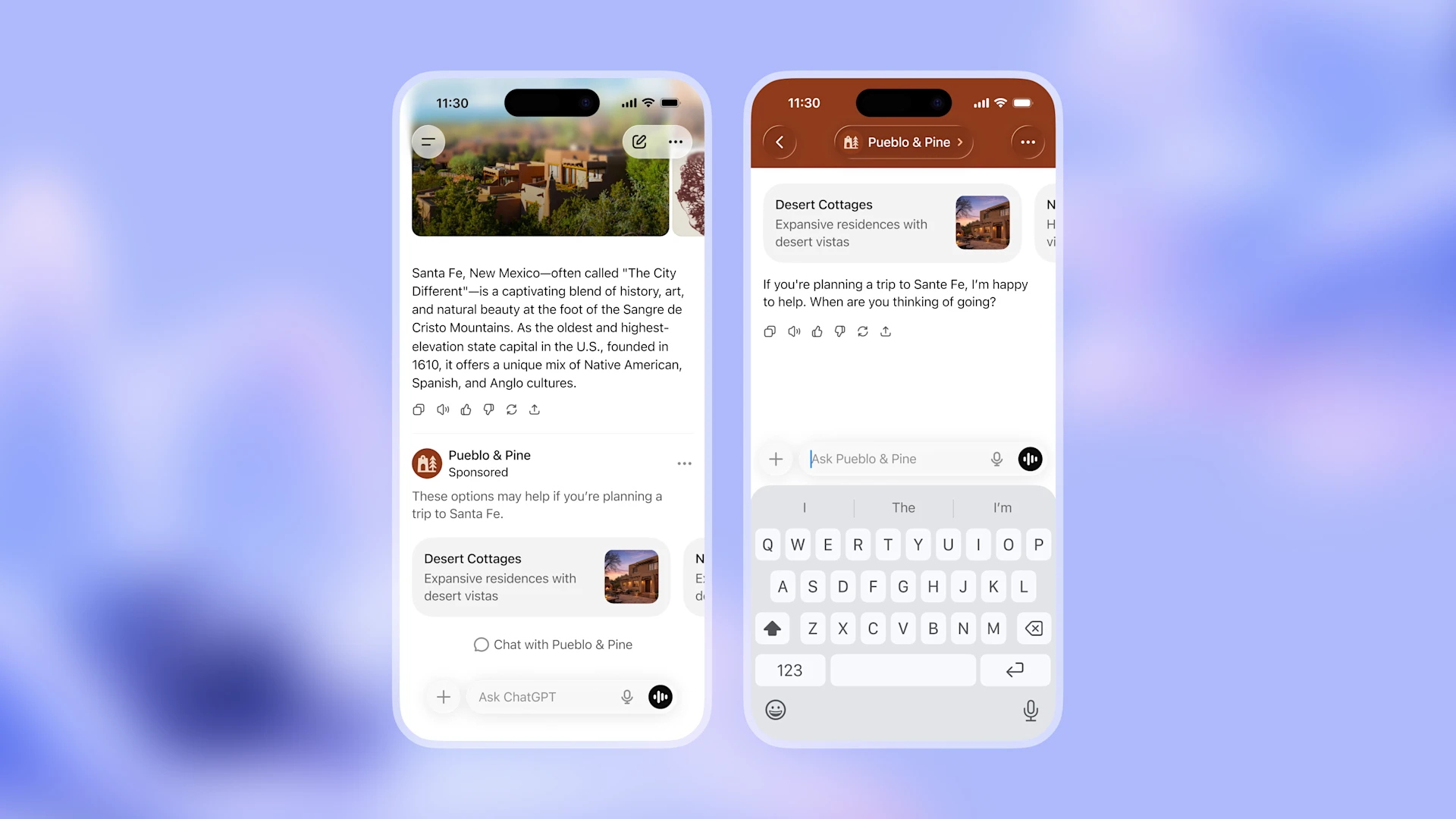
ChatGPT ads are expected to be clearly separated from AI responses. They will not interrupt conversations or manipulate answers. Instead, ads may appear after a response when they are contextually relevant to the user’s query.
For example, if a user is asking about email marketing software, a sponsored recommendation related to that topic could appear below the response. This approach prioritizes relevance and user experience, which is something modern digital marketing increasingly demands.
What Makes ChatGPT Advertising Different
ChatGPT ads are based on conversational context rather than personal profiling. This means ads rely on what the user is talking about at that moment, not on their long-term browsing history or personal data.
From a digital marketing perspective, this introduces a privacy-first advertising model. Brands must focus on intent, usefulness, and timing instead of aggressive targeting.
Why This Matters for Digital Marketers
ChatGPT ads represent a shift from keyword-based marketing to intent-based marketing. Instead of bidding on search terms, brands may need to align their messaging with real human questions and problems.
This change encourages marketers to:
- Write more helpful and informative ad copy
- Focus on problem-solving instead of selling
- Match products and services to real-world conversations
- Build trust through relevance rather than repetition
As a result, conversational relevance may become more valuable than impressions or clicks alone.
New Creative Opportunities for Brands
Advertising inside a conversational interface requires a different creative mindset. Traditional banner ads or promotional slogans will not work effectively here.
Instead, successful ChatGPT ads are likely to:
- Sound natural and non-promotional
- Offer clear value or next steps
- Complement the AI’s response instead of competing with it
- Encourage curiosity rather than urgency
This opens the door to a new form of conversational copywriting, where tone and usefulness matter more than aggressive calls to action.
Early Adoption Advantage
As with any new digital marketing channel, early adopters may benefit the most. Lower competition, higher visibility, and strong engagement are common in the early stages of platform advertising.
Brands that start experimenting early will gain valuable insights into conversational intent, user behavior, and AI-driven discovery. These insights can later be applied across SEO, content marketing, and paid campaigns.
What This Means for the Future of Digital Marketing
The introduction of ads in ChatGPT signals a broader trend. Digital marketing is moving away from interruption and toward integration. Users no longer want ads that distract them. They want suggestions that help them move forward.
Conversational AI advertising blends marketing with assistance. When done right, it feels less like advertising and more like guidance.
OpenaAI’s Principle in driving the Ads

ChatGPT Ad Formats

1. Search-Style Ads (Conversational Search Ads)
What it is
Search-style ads in ChatGPT closely resemble text ads seen on search engines. They appear after a relevant AI response when a user shows clear intent through their query.
Typical placement
Below the AI-generated answer, clearly marked as “Sponsored”.
Recommended format & size
- Format: Text-first card (optional small logo)
- Image size (if logo used): 120 × 120 px
- Aspect ratio: 1:1
- Headline length: 30–60 characters
Best for
High-intent services, SaaS tools, B2B leads, subscriptions.
2. Display-Style Ads (Visual Card Ads)
What it is
These are visual banner-style cards that introduce a brand or offer without interrupting the conversation flow.
Typical placement
Below or between conversation sections (never inside the AI answer).
Recommended format & size
- Format: Image + headline + CTA
- Image size: 600 × 314 px
- Aspect ratio: 1.91:1
- File type: JPG / PNG
Best for
Brand awareness, product launches, remarketing campaigns.
3. Shopping Ads (Product Listing Ads)
What it is
Shopping ads show product images, pricing, ratings, and brand names in a horizontal or grid-style layout.
Typical placement
Triggered when users ask comparison or buying-related questions.
Recommended format & size
- Format: Product image card
- Image size: 500 × 500 px
- Aspect ratio: 1:1
- Background: Clean, white or neutral
Best for
E-commerce, D2C brands, marketplaces, affiliate marketing.
4. Product Recommendation Ads
What it is
A single highlighted recommendation presented as a helpful suggestion rather than a sales message.
Typical placement
Immediately after an AI recommendation list or explanation.
Recommended format & size
- Format: Logo + short description + CTA
- Image/logo size: 300 × 300 px
- Aspect ratio: 1:1
Best for
Software tools, apps, AI platforms, free trials.
5. Knowledge / Brand Authority Ads
What it is
Knowledge ads focus on brand credibility rather than direct selling. They resemble a mini knowledge panel.
Typical placement
After informational or research-based conversations.
Recommended format & size
- Format: Logo + text (no heavy visuals)
- Logo size: 200 × 200 px
- Aspect ratio: 1:1
Best for
B2B brands, enterprise services, education, finance, SaaS.
6. Call-to-Action Prompt Ads (Interactive Ads)
What it is
These ads encourage users to take the next step inside the conversation using buttons like “Compare Plans” or “Ask More”.
Typical placement
Below the AI response with interactive buttons.
Recommended format & size
- Format: Minimal UI card + buttons
- Image (optional): 400 × 200 px
- Aspect ratio: 2:1
Best for
Lead generation, funnel movement, demos, consultations.


Final Thoughts
ChatGPT ads are not just another ad format. They represent a shift in how brands connect with users in an AI-driven world. For digital marketers, this is an opportunity to rethink strategy, messaging, and intent.
As conversational platforms continue to grow, marketers who focus on relevance, trust, and value will be best positioned to succeed. AI is no longer on the sidelines of digital marketing. It is becoming the stage itself.