AI in Digital Marketing How It Is Changing SEO Content and Ads in 2026

AI in digital marketing has quietly become part of everyday work. In 2026 it is no longer treated as something new or experimental. Marketers use it daily to understand their audience create better content and run advertising campaigns with more confidence. What matters most is not the technology itself but how it supports smarter decisions and better results.
Instead of relying on guesswork marketers now have access to clearer insights. They can see patterns in user behavior understand what people are searching for and measure what actually works. Still the role of the marketer remains central. Artificial intelligence supports the process but creativity judgment and strategy stay human.
What AI in Digital Marketing Means Today
AI in digital marketing refers to systems that learn from data and improve over time. These systems analyze search queries website interactions and campaign performance. As they process more information their recommendations become more accurate.
For marketers this means clarity. They can understand user intent more easily and respond faster to changes in behavior. Planning becomes more focused and execution becomes more efficient. At the same time AI does not work on its own. Humans set goals review outputs and decide how insights should be used. Without that guidance even the best tools have limits.
How AI in Digital Marketing Improves SEO
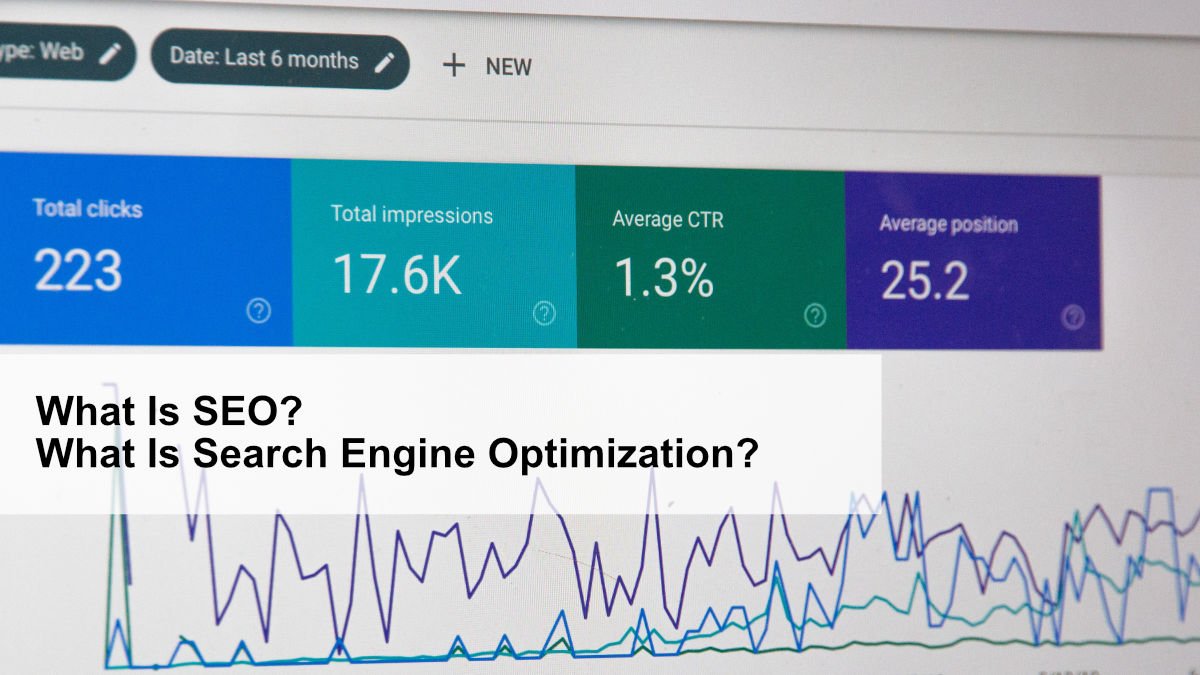
Search engine optimization continues to be one of the most reliable sources of long term traffic. According to Wikipedia search engine optimization is the practice of improving a website to increase its visibility in organic search results. In 2026 search engines focus strongly on relevance usefulness and user experience.
AI helps marketers meet these expectations by offering deeper understanding of how people search and what they expect to find.
Keyword research has improved significantly. AI tools no longer focus only on search volume. They analyze intent and context. This helps marketers understand whether users want information comparison or a solution. When content aligns with intent traffic quality improves and bounce rates decrease.
Content optimization has also become more practical. AI analyzes top ranking pages and highlights gaps in coverage clarity or structure. Writers can then refine their content so it feels complete and easy to read. The goal is not to copy competitors but to meet user expectations more effectively.
Technical SEO is another area where AI helps. Tools identify slow pages broken links indexing problems and other technical issues quickly. Fixing these problems improves both rankings and user experience. Search engines themselves use AI systems such as Google RankBrain which interprets complex queries. Because of this clear well structured content matters more than ever.
Role of AI in Content Marketing
Content marketing is built on trust and value. Wikipedia defines content marketing as a strategy focused on creating and sharing useful content to attract a defined audience. AI in digital marketing supports this strategy by improving planning organization and personalization.
AI helps marketers discover topics that matter. It analyzes trends audience behavior and search data to show what people care about right now. This reduces guesswork and helps content feel timely and relevant. Planning becomes more consistent and aligned with audience needs.
During the writing process AI supports structure and flow. It helps writers organize ideas suggest related points and avoid missing important information. However the final content still comes from humans. Tone emotion experience and storytelling cannot be automated. Readers connect with authenticity and perspective not tools.
AI also makes personalization easier. Different users may see different content based on interests behavior or location. This creates a better experience and keeps visitors engaged longer. Over time this improves trust and supports SEO performance.
How AI Is Changing Digital Advertising
Digital advertising has grown more competitive and more expensive. AI helps marketers improve efficiency while controlling costs. Instead of targeting only by age or location AI analyzes behavior patterns. It identifies users who are more likely to engage or convert. This leads to better targeting and less wasted spend.
AI also improves creative decisions. By analyzing performance data it shows which headlines images and messages work best. Marketers can then refine campaigns based on real results rather than assumptions. Over time ads become more relevant and effective.
Budget management has also improved. AI adjusts bids in real time and shifts budget toward better performing ads. According to Wikipedia pay per click advertising charges advertisers when users click ads. AI helps ensure those clicks deliver real value rather than empty traffic.
Benefits of Using AI in Digital Marketing
When used thoughtfully AI offers clear benefits. It saves time by automating repetitive tasks. It improves accuracy by analyzing large amounts of data quickly. It also helps marketers make informed decisions faster.
These advantages allow teams to focus more on strategy creativity and long term growth. However success depends on how tools are used. Blind reliance leads to weak results. Clear goals and regular review are essential.
Ethics and Trust in AI Based Marketing
As AI use grows ethical responsibility becomes more important. Marketers must respect privacy laws and handle data carefully. Users expect transparency and honesty. They want to know how their data is used and why they see certain content or ads.
Human oversight plays a critical role. AI suggestions must be reviewed to avoid misleading information or biased outcomes. Ethical marketing protects brand reputation and builds long term relationships.
Preparing for the Future of Digital Marketing
AI in digital marketing will continue to evolve. Tools will become smarter and expectations will rise. Still success will depend on balance. Technology offers speed and insight. Humans provide creativity empathy and judgment.
Marketers who learn how to work with AI will adapt more easily. They will create stronger SEO strategies publish useful content and run effective advertising campaigns. Those who rely only on automation without understanding users will struggle to build trust.
Final Thoughts
AI in digital marketing is reshaping SEO content marketing and advertising in 2026. It helps marketers understand intent improve content quality and optimize ad performance. When used correctly it supports better decisions without replacing human creativity.
The future of digital marketing belongs to those who combine technology with authenticity and value. That balance leads to sustainable growth stronger relationships and lasting success.